What We Call a Year
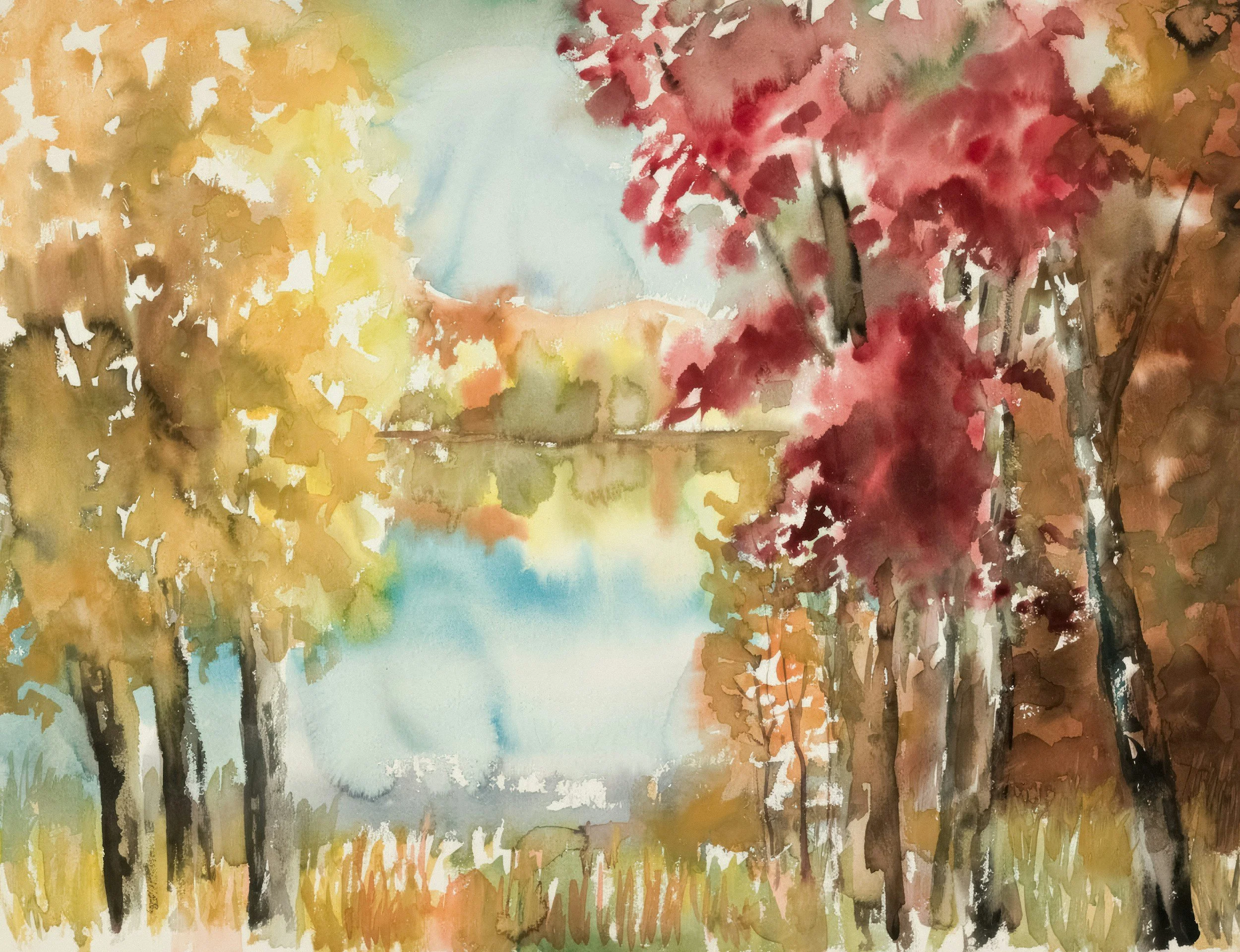
In January, I learn the vocabulary of quiet.
The lake holds its breath.
Even the crows sound like they are counting.
I walk with my hands in my pockets,
keys ticking softly like a second heart.
The cold reduces the world to what will survive it.
By February, light begins to practice staying.
It lingers on the edge of the road,
in the thin gold that leaks from afternoon.
Someone has written almost
in salt along the sidewalk.
In March, the ground forgets how to be closed.
Water moves without choosing a direction.
The air smells like rust and unlocked doors.
I find a glove in a puddle and leave it there,
a small flag for whoever is losing things.
April teaches the trees a new patience.
Green starts in the wrists of branches
and works its way outward.
I start carrying a book again,
though I mostly read the way clouds revise themselves.
In May, the mornings widen.
Windows fill with birds I cannot name.
The long argument of winter finally runs out of breath.
June comes in with open hands.
The days are large and a little reckless.
Light stays past its own good sense.
At the lake, children throw stones
to see how many times the surface will answer.
I swim until my thoughts lose their edges.
Even the body becomes a kind of weather.
July is loud with its own certainty.
Sunlight refuses to leave.
Even shadows are overworked.
In August, the light begins to bruise.
Blackberries darken my hands.
The air starts keeping secrets about ending.
Some evenings, I practice doing nothing
until it feels like a skill.
September makes the roads believable again.
The sky is a blue that could cut glass.
I start walking faster without knowing why.
I keep a leaf inside a book,
not to save it, just to notice where it was.
October teaches the trees how to let go
without asking anything in return.
I walk through a day made entirely of copper.
In November, the year shows its scaffolding.
Fields empty themselves.
The lake rehearses its stillness.
I begin to want soup.
I begin to want lamps.
December closes its careful hands.
Light becomes something to ration.
I hang small hopes in windows.
I forgive the dark for being thorough.
And then, without asking me,
the calendar makes its quiet click.
Again.
Veronica Tucker is an emergency medicine and addiction medicine physician, mother of three, and lifelong New Englander. Her writing explores the intersections of medicine, motherhood, memory, and the human experience. She is a Pushcart Prize nominee with work appearing in ONE ART, The Berlin Literary Review, and Rust & Moth, among others. Her debut chapbook The House as Witness is forthcoming from Quillkeepers Press in spring 2026. She can be found at www.veronicatuckerwrites.com and on Instagram @veronicatuckerwrites.