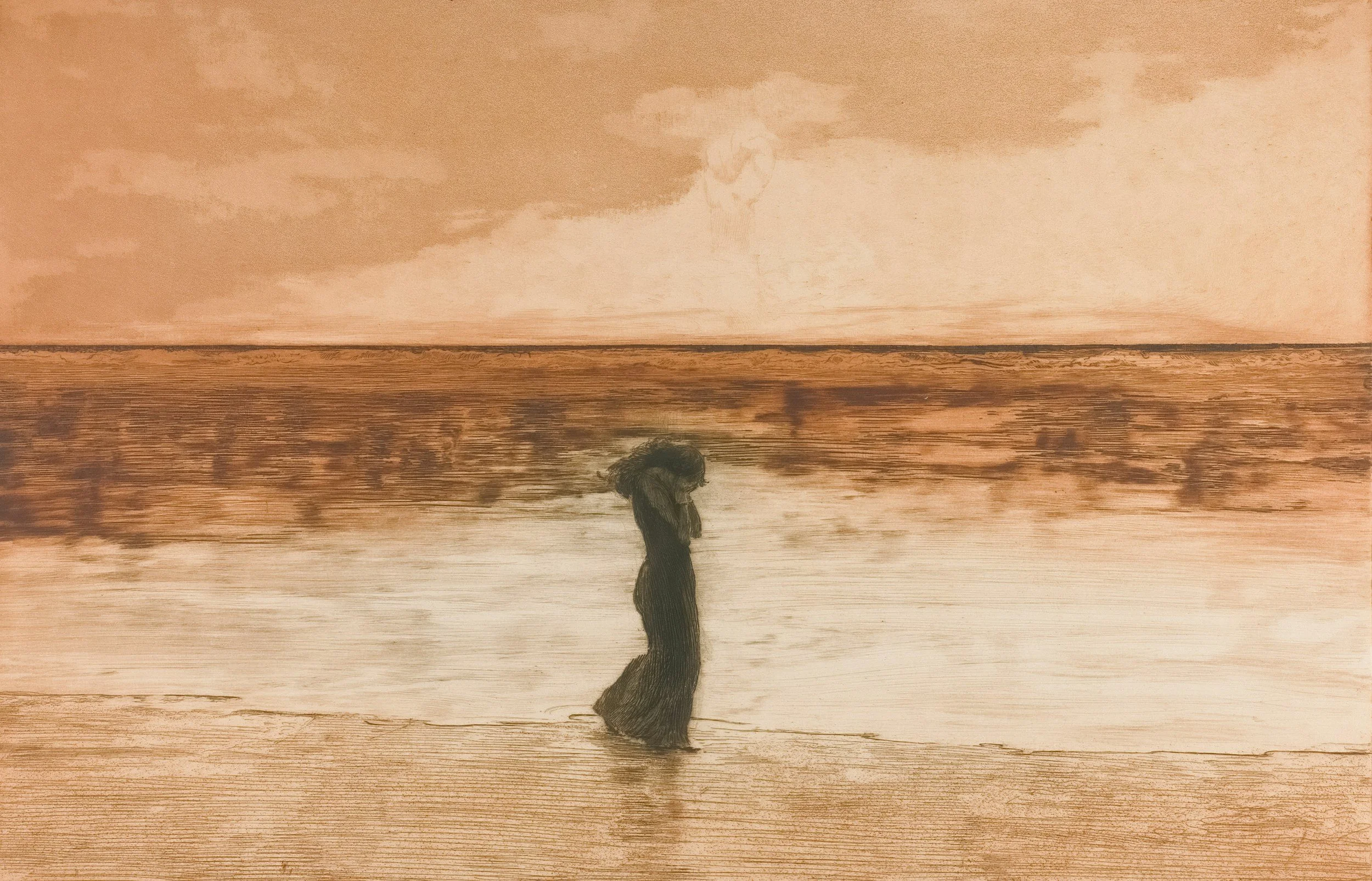
Harmattan returned at a time when Lina was unloved. The sky was devoid of pregnant clouds. Dust blew hard without a care—dust with nowhere to go, dust that didn’t require approval. This dust settled in the creases of her eyelids and coloured her hair brown. Her tenth call to her boyfriend went unanswered. She tried again.
When the phone trilled, she recited mentally, he loves me, he loves me not and imagined plucking the petals off a rose. She recited it the fifteenth time she called him, the twentieth time—she recited it so much it became the day’s prayer.
He did that sometimes, kissed other girls in front of her and told her she wasn’t woman enough, then ignored her calls and called her a ‘fucking whore’. He would grab her hair and kiss her hard enough to break the skin of her lips. But it was all right, he always remembered later that he loved her: he showed it with chocolate, grilled chicken and the way he touched her.
He would hold her waist and kiss the side of her neck (often, leaving bruises) and she would fall in love again. Right now, thinking of falling in love again in a few days, she remembered the stuffy odour in his room—the small square space he boasted about. It was Accra, after all. Things were expensive, and five hundred cedis a month for a small room was normal.
The room housed a twenty-four-inch TV and satellite, a fake Louis Vuitton bedsheet she loved to tease him about and perfume from Makola that always lingered in the room.
Her left slipper came apart at the sole and she walked the rest of the way home with one foot bare on the rocky pavement. In the small courtyard, a sad attempt at growing a willow plant broke at the stem, careening to the side. Beside it stood a pitiful fig tree with empty branches, keen on death despite all of Lina’s attempts. She watched it for a moment—they’d withered together, after all.
***
Her mother was home from the salon. Her hair pulled painfully tight at the roots, and her edges were red and swollen. She wore a pair of faded black jeans with a plaid blouse her sister had brought from London. She looked up briefly from her phone and asked, “you’re back?” in her exaggerated English accent. Lina gave a barely perceptible nod and made a beeline for the refrigerator. She couldn’t let her mother see her tears. The smell of rotten tomatoes and bell peppers filled the room, but she remained standing there.
This morning, Chaka Khan had blared on the radio. Her mother had sung along, swished her hips and brandished the only wooden spoon in the house. Lina wondered what her mother was like at eighteen, if she’d cradled her broken heart and smoked cigarettes, if she’d moved her waist in the privacy of her room like Lina did. Her mother looked up again from her phone and snapped at her to shut the refrigerator. “Idiot,” she added for good measure.
There was violence everywhere. This, Lina learned. She recognised the way it was wound tightly, sitting heavy on her brassiere-marked shoulders. It was in the way the neighbour’s husband slapped her for questioning his decision to send their son to a less prestigious school, the way the Frafra girl across the street fought her friend for sleeping with her boyfriend, grabbing eggs (that they never paid for) from a nearby shop and breaking them, calling on rivers to curse each other.
A week later, hands intertwined, their heels clanked against stone as they attended a wedding together. It was in the way a mother in the troski shoved her son out of the vehicle, his buttocks hitting the pavement, as punishment for leaving her change with the fruit vendor.
***
It was in the way Lina’s mother told her how she wished she’d never given birth to her, how she’d stunted her life and a breath later told her she loved her.
Lina was always the problem, too. It wasn’t her mother’s fault. A few years ago, she’d offended her mother by gawking at a silk dress in front of a shop. Her mother had slapped her; doing that signalled to others the state of their pockets and bank accounts.
“Why did you make me do it?” she’d asked afterwards, then offered to wash Lina’s clothes. “We’re middle class,” her mother always said proudly, but Lina remembered the time (before her father’s death) when her cheeks stung from multiple slaps for writing in a school essay that her mother was a housewife. “I have a degree,” she’d seethed, and when her father came home, they’d argued in the bedroom.
Love (which was also violence) was in the way her mother insisted her friend’s brother had touched Lina in places she wouldn’t mention, because her first period started two days after the visit. It was in the way her face had grown dark and thunderous, when the men who brewed and drank ataya at the back of the house stared at Lina’s buttocks. She never blamed the men. “They stare at you like that because you have relations with them,” she’d said. Lina didn’t know what relations were at the time.
But it was all right. Violence was a form of love too. It was correction and correction was love.
Kataru Yahya is a Ghanaian writer and medical sonographer. She is the author of the novel Home Is a Silhouette. Her work can be found or is forthcoming in Ta Adesa, Eunoia Review, The Disappointed Housewife, Mouthful of Salt and elsewhere. You can find her on social media at @kforkataru.