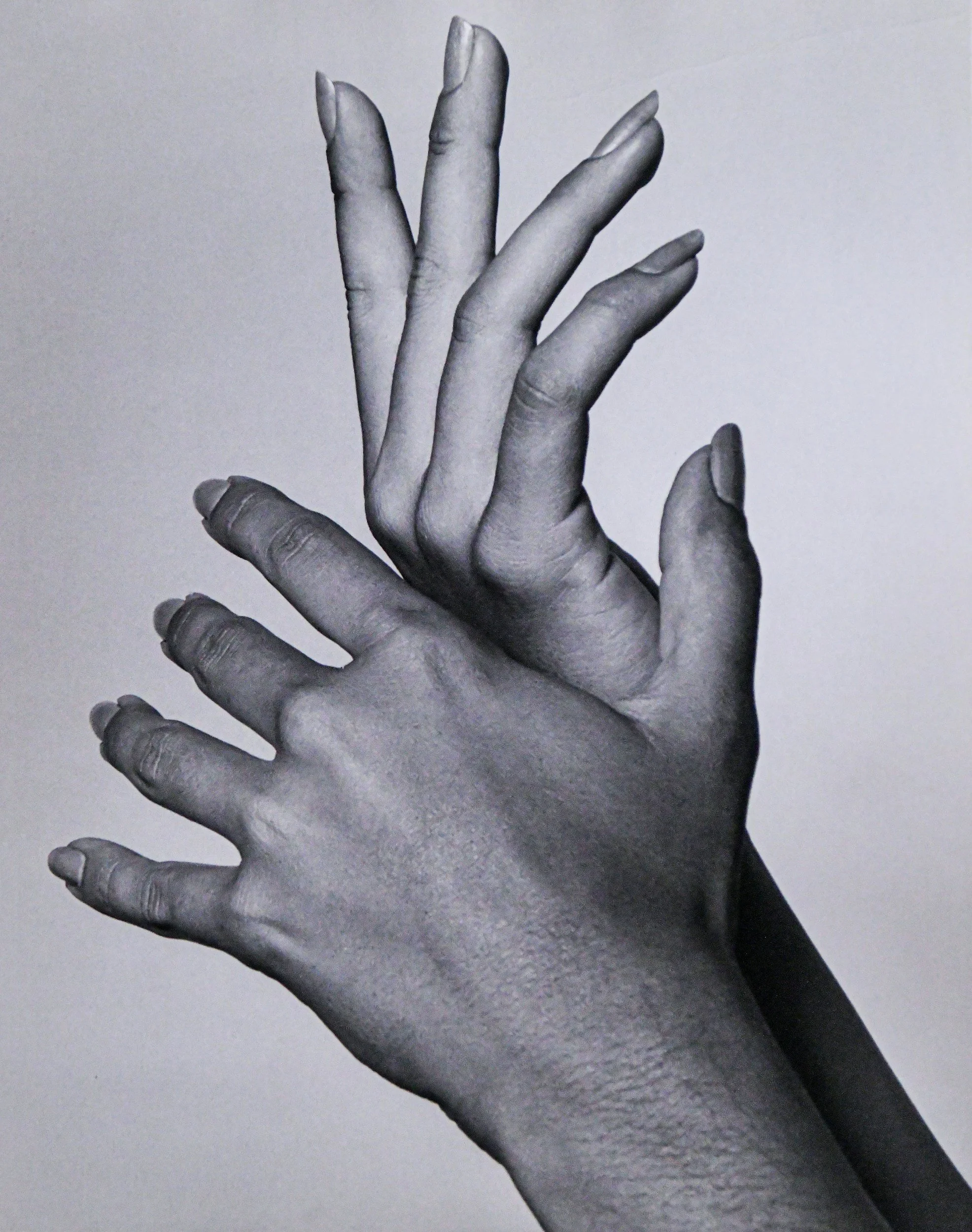
They told me to rest. A few weeks off, they said, and the tremor would pass. But I know the body better than anyone. Tremors don't just pass. They announce something. They warn.
I was steady once. Surgical precision defined me. Colleagues trusted me with the kind of procedures where one millimeter decides whether a person wakes up or never does. I'd built a reputation on those millimeters. I'd built my life on them.
Then came the Henderson case.
He was a routine patient, if such a thing exists. Forty-seven, moderate risk, good vitals. The kind of operation I could do half asleep. I remember humming while I worked, counting my heartbeats to stay calm. Then, something slipped. Not the scalpel. Me. A single hesitation, barely noticeable, and then suddenly his heart was fibrillating, alarms screaming, team shouting, all of us scrambling to control something that had already gone.
I told the review board I didn't know what happened. But I did. My hand shook.
The tremor stayed. At first it was faint, barely a quiver at the end of a long day. Then it came earlier, steadier. During surgery, during sleep. I would wake to find my fingers clenched, nails biting my palms. I began sleeping with my hands wrapped in towels so I wouldn't mark myself.
I thought about seeing someone, neurology, psych, but doctors don't like to be patients. We prefer our illnesses in others.
I kept working. I shouldn't have.
One morning I dropped a clamp. A small thing, but I couldn't hide it. The scrub nurse noticed. She asked if I was okay. "Just a nerve," I told her. "It happens."
That night, my hands wouldn't stop moving. I held them up in front of me and watched them flex, curl, relax. Over and over. I remember thinking they looked rehearsed, like they were practicing something without me.
When I tried to still them, my right thumb twitched twice. Morse code, maybe. My father taught me Morse when I was a kid. Two short taps: I.
It felt like they were saying my name.
I started wearing gloves outside the hospital, thin nitrile ones, the kind you can barely feel through. People stared. I told them I was allergic to everything. The truth was, I couldn't stand the touch of my own skin.
It got worse after the hearing. The board ruled Henderson's death "unfortunate, but not negligent." I wanted to believe them. But when I scrubbed in that night, my hands stung as if they knew better. I could almost hear them whispering under the water: We remember.
Soon I couldn't perform. I called in sick, said it was a virus. At home I kept to my office, journaling, trying to diagnose myself like any other patient. I made lists: tremor, hallucination, compulsive thought. Then I'd look down and see the pen moving, writing things I hadn't planned.
I'M SORRY CLEAN THEM MAKE IT RIGHT
I switched pens. It didn't help.
I started talking to my hands. Not out loud at first. Just thoughts. Apologies, promises, bargains. I told them I would make it right. I'd do anything.
And then one morning they stopped shaking. Still. Peaceful. I thought it was over. Relief hit so hard I laughed out loud. I made breakfast with both hands steady, just like before. I even dared to think about returning to work.
That night, I woke to the sound of metal clinking. The surgical kit I kept in the study was open. Instruments arranged on the table, each one gleaming under the desk lamp. My gloves were gone. My hands were bare.
There were faint marks on the skin, like handwriting drawn over veins. When I rubbed, it didn't smear. The lines were under the skin.
That was when I began to understand: it wasn't a tremor. It was memory.
I wrote everything down. What I saw, what I felt. This is part of that record. A clinical case study, I told myself. Detached observation. Only it isn't detached anymore.
The following week, I tried to drown them in ice water. Five minutes, then ten. They spasmed violently, knocking over the bowl. When I looked again, they'd bruised where the veins met the wrist. The pattern looked like fingerprints, but not mine.
After that, I started binding them at night. Elastic bandages, tight enough to restrict movement but not circulation. Every morning the knots were undone. The bandages coiled neatly beside me on the bed.
You can imagine what that does to a man who believes in control.
The hallucinations came next. I would see Henderson's face reflected in the mirror while I washed up. Just behind my shoulder. Sometimes he smiled. Once, I swear, I saw his hand resting over mine, guiding it back to the sink. I stood there for minutes, unable to move, watching our reflections overlap.
That's when I stopped fighting and started repenting.
I told myself it was a procedure. Clinical. Necessary.
When I came to the desk that night, the instruments were already laid out. Scalpel, forceps, bone saw, clamps. Everything sterile, arranged in order of use. The sutures and gauze were expected. It was the tourniquet I didn't remember retrieving, didn't remember taking from the hospital.
I'd also prepared the jars. Five of them, lined up on the shelf. Labels blank, waiting.
My hands rested on the desk, palms down. Steady. They hadn't shaken in two days, not since I'd made the decision. It was as if they knew what was coming. As if they approved.
I started with the left pinky.
Logical, I told myself. Minimal functional loss. The tremor had started there. A localized problem requiring localized treatment.
I scrubbed both hands three times. Muscle memory. The betadine turned my skin orange-brown, the color of every surgical field I'd ever prepped. I applied the tourniquet high on my left forearm, tightening until I felt the pulse stop at my wrist. Then I positioned the hand palm-down on the sterile drape, fingers spread.
The pinky looked small. Innocent.
I injected lidocaine at the base, four points around the digit. Waited for the numbness to spread. My right hand held the syringe perfectly steady.
"Disarticulation at the metacarpophalangeal joint," I said aloud. My voice sounded calm. Professional. Like I was teaching residents. "Clean separation. Minimal tissue damage."
The scalpel was a #15 blade, new from the package. I made the first incision on the dorsal surface, following the natural crease of the knuckle. Skin parted cleanly. Yellow subcutaneous fat. The gleam of extensor tendon beneath.
I worked slowly, methodically. Retracted the soft tissue. Exposed the joint capsule, a thin, pearly membrane stretched over bone. When I opened it, there was a small release of synovial fluid, clear and viscous.
The digit moved loosely now, attached only by the flexor tendon and the digital artery running along the palm side. I could feel the separation point, the space where bone met bone with nothing but cartilage between.
I worked the finger back and forth gently. Testing. There was a soft pop as the joint gave way.
What remained was just flesh. I clamped the artery. Ligated it with surgical precision. Cut through the remaining tendon and skin.
The pinky lay on the sterile field.
It didn't twitch. Didn't curl. Just stopped, like a machine powered down.
I stared at it for a long time. This thing that had been part of me. This piece that had touched Henderson's heart, that had slipped when it shouldn't have, that had carried the tremor through every surgery after.
I picked it up with forceps. Held it to the light. Turned it slowly, studying the clean edge of bone, the neat closure of vessels.
"Henderson," I whispered.
The specimen jar was already filled with formalin. I lowered the digit in, watched it sink and settle at the bottom. Sealed the lid. Took the label and wrote in careful block letters: HENDERSON, JAMES. AGE 47. CARDIAC ARREST, INTRAOPERATIVE. LEFT 5TH DIGIT.
Below that, the date. My signature.
I placed the jar on the shelf facing the desk.
Then I sutured the stump. Neat, even stitches, the kind I'd done ten thousand times. Dressed it with gauze and wrapped it in surgical tape.
That night I slept better than I had in months.
The tremor came back six days later.
I was eating breakfast. The stump had healed cleanly, no infection. I'd been checking it twice daily, documenting the closure in my journal.
Then my left ring finger started.
Just a twitch at first. By evening it was a full tremor, worse than before. The middle finger joined it an hour later.
I stared at my hand on the table. Two fingers shaking while the others stayed still.
"All right," I said.
I didn't bother with as much anesthetic this time. The lidocaine had barely worked before, I'd felt everything through a distant cotton-wrapped numbness that only made it worse. This needed to be clean. Efficient.
I took them both at once.
Same process: tourniquet, prep, incision. But faster now. I knew the anatomy, knew exactly where to cut. The ring finger came off first, then the middle. I lined them up on the tray like surgical specimens, labeled the jars while my hand was still numb.
MORRIS, PATRICIA. AGE 34. HEMORRHAGE, POST-OPERATIVE.
GILES, DAVID. AGE 61. STROKE, DELAYED INTERVENTION.
Names I hadn't thought about in years. Names my hands remembered.
The relief lasted three days.
By the time I took the whole left hand, I'd stopped pretending it was going to work.
I did it anyway.
The wrist was harder. More vessels to ligate, nerve bundles that had to be cut cleanly or they'd retract into the stump and cause phantom pain. The bones, radius and ulna, required the saw.
I set up a vice grip to hold my forearm steady. Applied the tourniquet so tight my hand went white and cold. Prepped the field.
My right hand picked up the scalpel.
I made the circumferential incision first, cutting through skin and fascia in one smooth motion. Pulled back the tissue to expose the tendons, nine of them crossing the wrist, each one distinct. I severed them one by one, feeling each snap of resistance.
The radial artery was thick. I clamped it twice before cutting between them, watching the vessel retract into the tissue.
Then the bones.
The saw's whine filled the study. High-pitched, steady. I braced my forearm in the vice and applied pressure. Felt the teeth bite into the radius first, cortical bone resisting, then giving way with a wet crunch. The ulna took longer. Denser. I had to stop twice to clear bone dust from the blade.
When the hand came free, I set the saw down.
It lay on the tray palm-up, fingers slightly curled. Larger than I expected. Heavier.
My right hand, perfectly steady, reached for the largest specimen jar.
I had to bend the fingers to make it fit. They resisted at first, stiff with rigor, then folded inward like a flower closing. I lowered it into the formalin and watched it settle, suspended, palm pressed against the glass.
The label took me three tries. My handwriting kept wavering. Not from tremor. From something else.
HENDERSON, JAMES. PRIMARY CULPABILITY. LEFT HAND, COMPLETE.
I sutured the stump on my forearm. Wrapped it in layers of gauze. The bleeding had been minimal. I'd managed it correctly, clamped everything that needed clamping.
The relief lasted less than a day.
The rest I'll spare you the details of.
There are only so many ways to describe the same procedure. Only so many times I can explain how I rigged the clamps, how I braced the scalpel in the vice and worked my right hand down onto the blade. How I used my teeth when I had to.
My journal from those weeks is mostly illegible. Water-stained. Some pages stuck together.
The recordings are worse.
What matters is this: I worked through the list. Every patient I could remember. Every name my hands had touched. Some of the jars got fingers. Some just got pieces I had to subdivide because there weren't enough digits to go around.
The woman from room 412 whose name I never learned got the right thumb.
A man named Thompson, first name forgotten, got three knuckles from the index finger.
Garcia. Petersen. Williams. Okafor. Names written in shaking letters on specimen labels, each jar dated and signed.
By the end, my right forearm stump was crude. Infected along one edge where I couldn't reach to clean it properly. I'd run out of sutures and used surgical staples. Ran out of those and used super glue.
But both hands were in jars.
Both hands were still.
I lined them up on the shelf, ten jars total, arranged by date. The two hand jars at the end, palms facing out like they were waving goodbye.
I sat in my chair and stared at them for a long time.
"Finally," I said.
My voice sounded hollow in the empty room.
I should have felt relieved. Instead I felt…absent. Hollow in a way I can't explain.
For days after, I sat in the study staring at the shelf.
At night I heard tapping, soft, distant, like fingertips on glass. Always ten taps. Then silence.
I tell myself this is recovery. A psychosomatic episode, cured through confrontation. I've even considered publishing the case study: A Surgeon's Manifestation of Guilt as Motor Dissociation Syndrome. It would make sense of everything.
But I'm writing this now because I need someone to understand what happened. What's still happening.
Three days ago, I felt it.
A twitch in my left forearm. Small at first, barely noticeable. I told myself it was healing, nerve damage from the amputation, phantom sensation. Normal post-operative symptoms.
Then my right stump started.
I'm looking at them now, both stumps resting on the desk. Wrapped in gauze that needs changing. I can see the tremor through the bandages. Rhythmic. Steady. Moving up toward the elbow.
The instruments are still on the shelf next to the jars. The saw still has bone dust in the teeth. I should clean it.
I keep thinking about the shoulders. The mechanics of it. How to position the vice, where to make the cuts. Whether I have enough formalin left for larger specimens.
There are more names. I'm starting to remember them now. Patients from my residency, from medical school. Hands I shook, bodies I touched during examinations. A woman in Detroit. A child in Milwaukee. Every mistake, every hesitation, every moment my focus slipped.
The jars on the shelf aren't enough.
They were never going to be enough.
I remember more than twenty names now.
They will require larger containers.
Last night I woke to find myself standing in front of the instruments, my stumps reaching toward the bone saw. I don't remember getting out of bed. I don't remember walking to the desk.
But I remember the relief I felt seeing it there. Waiting.
If anyone finds this, I want the record to show: I tried to do right by them. By Henderson. By all of them.
The tapping from the jars has stopped now. I think they're satisfied. Or maybe they're just waiting to see how far I'll go.
I can feel the tremor spreading. Up past my elbows now. Into my shoulders.
I'm not going to stop.
END
Miles Carnegie writes about the near future...the one creeping in while we're all busy trying to remember our passwords.
Based in Cincinnati, OH, where the weather changes on a whim and nobody bothers pretending to be surprised. Maybe that's why he keeps writing about systems you can't trust and machines that seem a little too done with us.
His stories live in that weird in-between space. Close enough to recognize, uncomfortable enough to wish you didn't.
He writes about regular people trying to hang onto something human while the world quietly tilts sideways.
If you like fiction that feels like watching a train wreck, grab a seat.